









India Leads the Global Spice Export Market
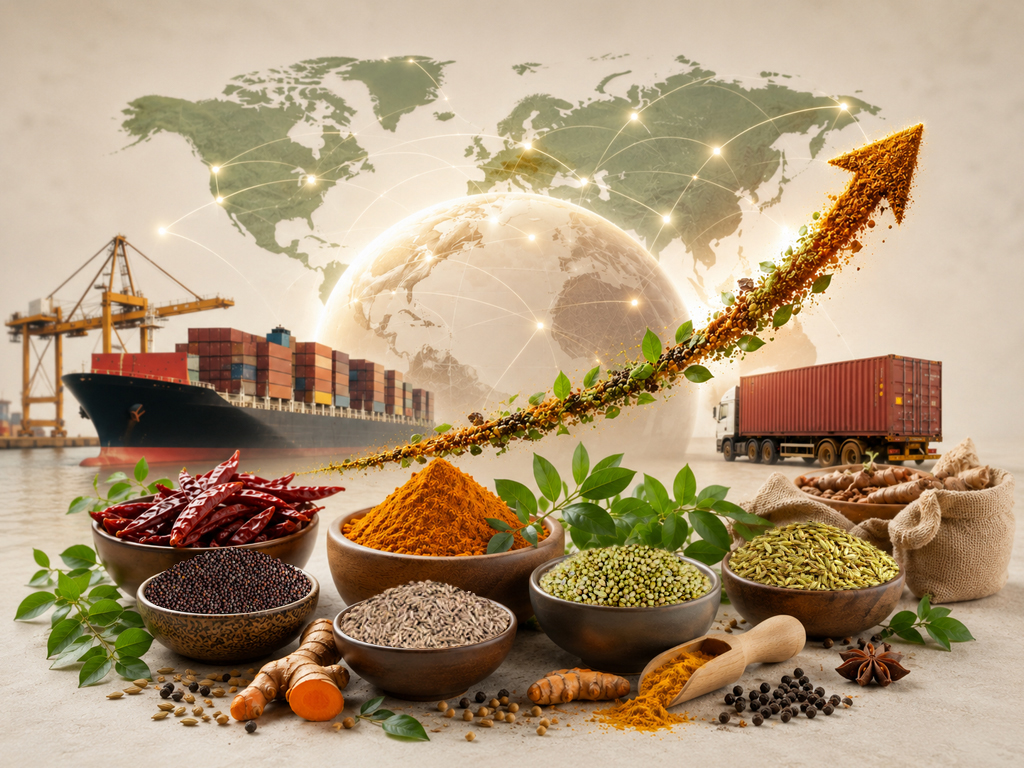
India is known as the “Land of Spices” for many centuries. In 2026, the country is continuously playing a major role in the international;l spice trade. From traditional farming regions to modern processing and global logistics networks, spices from India have been supplied to food manufacturers, wholesalers, distributors, retailers, and other businesses all over the global market.
India produces a wide range of spices like cumin, turmeric, coriander, red chilli, black pepper, cardamom, fennel, fenugreek, ajwain, and many other types of spices. There is a strong product diversity which are combined the knowledge of agriculture. These have helped to position Indian spices in the global spice industry.
Some international buyers are looking for a reliable Indian spice manufacturer, Indian spice exporter, or Indian spice supplier, and India remians as the important sourcing destination for both whole and processed spices.
1. Wide Diversity of Indian Spices
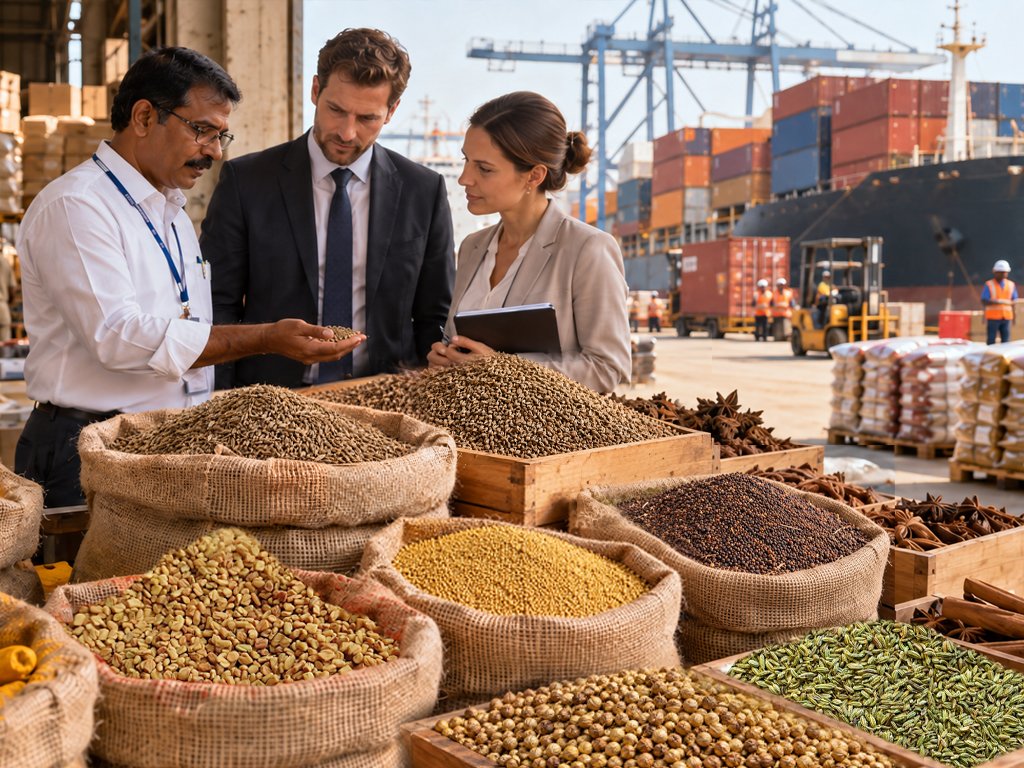
The biggest advantage of the wide variety of Indian spices are cultivated in different regions. The country has a varied climate and soil that support the production of many types of spices. Some of the widely traded spices from India are:
- Cumin seeds
- Coriander seeds
- Turmeric
- Red chilli
- Black pepper
- Cardamom
- Fennel seeds
- Fenugreek
- Ajwain
- Dill seeds
These varieties allow international buyers to source different spice products from one country. Some businesses working with an experienced Indian spice supplier will simplify their procurement process and allow them to access different spices based on their market requirements.
2. Growing International Demand
The requirement for Indian spices remains high in markets like the UK and Canada. Indian spices are used in the food processing industry, spice processing companies, restaurants, wholesalers, seasoning companies, and wellness product manufacturing companies.
For example, turmeric has wide use in food and wellness purposes, whereas cumin, coriander, chilli, and pepper continue to have a large use in food processing, seasonings, sauces, spice blends, and in cuisines.
The increasing international use of the spices creates continuous chances for well-known Indian spice exporters to serve bulk and commercial buyers.
3. Strong Agricultural Production Base
India has many farms since it has an agricultural industry based on years of farming expertise. Some spices are grown using unique techniques for growing certain types of crops.
The existing agricultural environment ensures that commercial supply and demand are met, that enables bulk spices India to supply the needs of wholesalers, importers, processors, distributors and food producers.
There are grades of spices, types of crops and different types of methods of packaging and processing, which ensure the exports reach the right customers.
4. Competitive Global Sourcing Destination
Commercial buyers will consider many factors when there is the selection of spice-sourcing country. These include quality, availability, consistency, logistics, specifications, and pricing.
India has large-scale spice production, which provides exporters with the opportunity to serve both domestic and international markets effectively.
For buyers who are sourcing bulk spice India and who are working directly with an established Indian spice manufacturer or exporter will help to create a more organised sourcing process, particularly for businesses who are required for regular or large-volume shipments.
5. Processing and Quality Management
The Indian spice industry has changed greatly, moving beyond exporting traditional whole spices. Many manufacturers and exporters now supply processed and value-added products, which include spice powders, cleaned and graded spices, blends, and important oils.
Modern cleaning, sorting, grinding, packaging, and quality-testing systems which helps the businesses maintain product specifications for international customers.
The experienced Indian spice manufacturer will also work to specific customer requirements related to cleanliness, moisture, packing, product specifications and destination-market standards. Quality management has become a vital factor for international buyers who are comparing potential suppliers.
6. Developed Export and Logistics Infrastructure
India benefits from fixed ports, warehouses, transportation networks, processing centres, and export-support services.
Some of the major ports and logistics hubs help to move agricultural products efficiently to international destinations. Exports will also coordinate shipments, documentation, packaging, warehousing and other requirements which are associated with international trade.
It is the infrastructure which support the growing bulk spices India supply chain which enables exporters to serve buyers across different regions.
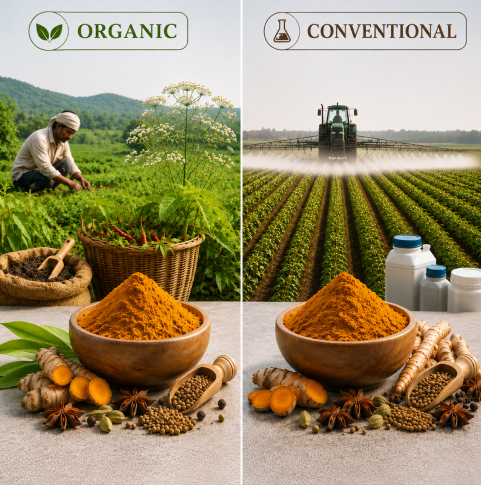
7. Growth of Organic and Naturally Processed Spices
International markets are showing increased interest in traceability, sustainability, natural ingredients, organic products and responsible sourcing. It is the trend creates new opportunities for €Indian producers and exporters which will meet specific buyer requirements. There are products like turmeric, cumin, coriander, chilli, and other spices from India which will serve the traditional and premium market segments, which will depend on cultivation methods, processing standards, certifications, and customer specifications.
8. Digital Expansion of the Spice Export Industry
Digital marketing has changed how Indian exporters are communicating with international buyers. In the present day, buyers will discover the Indian spice supplier through search engines, company websites, B2B marketplaces, LinkedIn, digital ads, trade platforms, and online business directories.
Strong digital visibility also helps exporters present product information, manufacturing capabilities, export experiences, packaging options, certifications, and contact details before the first business enquiry.
For companies like PJM Exports, digital platforms provide an additional way to connect with international buyers who are looking for professional spice sourcing partners in India.
9. Long-Standing Expertise in Spice Trade
India has been associated with the international spice trade for many centuries. As time has passed indian businesses have developed good knowledge in spice cultivation, processing, grading, sourcing, packaging, and international trading practices.
Modern exporters have combined traditional knowledge with modern production practices, testing systems, logistics management, and international business communications.
This experience is mainly valuable for importers and food businesses that require consistent product specifications and dependable commercial supply.
10. Future Opportunities for Indian Spice Exporters
The global spice industry continues to create chances in areas like ready-to-use spice mixes, health-focused ingredients, organic spices, private-label products, seasoning solutions, and processed food ingredients. Demand is also expanding in developing markets in Africa, Latin America, the Middle East and Asia.
Exporters who are focused on quality, traceability, efficient processing, reliable supply, strong buyer communication, and digital visibility will be better positioned to participate in the growth.
PJM Exports, as an Indian spice exporter and Indian spice supplier, has always supported international businesses that are looking to source Indian spices for wholesale, distribution, food processing, and other commercial applications.
Conclusion
India holds the leadership in the global spice industry, which will support i its agricultural diversity, large production base, processing capabilities, export infrastructure, experienced suppliers, and strong international demand.
For global businesses that are looking for Indian manufacturers, Indian spice suppliers or a reliable source of bulk spices in India, the country offers access to a wide range of products and export expertise.
Since international demand for authentic, traceable, high-quality, and sustainably sourced ingredients for continuous development, spices from India are expected to remain an important part of the global food and ingredients supply chain.
FAQs
1. What makes India an important exporter of spices?
India produces diverse varieties of spices suitable for varied climates and has an established chain of growers, processors, manufacturers, exporters, transporters, and quality testers of products meant for international business.
2. What kind of spices does India export?
The common spices exported by India include cumin, turmeric, coriander, red chilli, black pepper, cardamom, fennel, fenugreek, ajwain, and many others.
3. Who buys bulk spices from India?
The bulk spices market in India caters to importers, wholesalers, distributors, food producers, seasoning manufacturers, spice processors, hotels, private label companies, and various other commercial buyers.
4. How can international buyers source spices from PJM Exports?
Buyers interested in sourcing spices from India, as well as Indian spice exporters, can connect with PJM Exports with their requirements for spices to explore commercial opportunities.