










Product Description
Forms Available
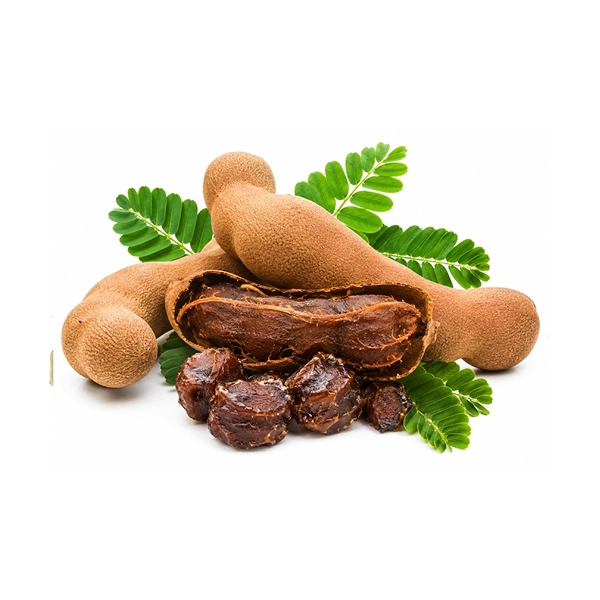
Tamarind is available in various forms to meet diverse culinary and industrial requirements:
- Seedless Tamarind: Cleaned pulp with seeds removed for convenient use.
- Tamarind Block: Compressed tamarind pulp suitable for retail and bulk applications.
- Tamarind Paste: Smooth processed paste ideal for sauces, marinades, and ready-to-use preparations.
- Concentrate: High-strength tamarind extract for food processing industries.
- Powder: Spray-dried tamarind powder used in seasoning blends and instant food products.
These forms retain the fruit’s characteristic sweet-sour taste and natural brown color while ensuring ease of storage and handling.
Culinary Uses
Tamarind is a versatile ingredient used in numerous food preparations:
- Curries: Adds a balanced tangy flavor to vegetable and meat dishes.
- Chutneys: Essential ingredient in sweet and spicy chutneys.
- Sauces & Marinades: Enhances depth and complexity of flavor.
- Beverages: Used in refreshing traditional drinks and concentrates.
- Confectionery: Incorporated into candies and snack products.
- Seasonings: Used in spice blends and instant food formulations.
Its unique flavor profile makes Tamarind a staple ingredient in both household kitchens and commercial food production.
Nutritional Benefits
Tamarind naturally contains several beneficial nutrients:
- Rich source of antioxidants and polyphenols.
- Contains dietary fiber that supports digestion.
- Provides essential minerals including potassium and magnesium.
- Naturally contains tartaric acid, contributing to its characteristic taste.
- Supplies vitamins that support overall well-being.
Storage and Shelf Life
To maintain optimum quality:
- Storage Conditions: Store in a cool, dry place away from direct sunlight and moisture.
- Packaging: Keep in airtight packaging to preserve freshness and prevent contamination.
- Shelf Life: Typically lasts up to 24 months under recommended storage conditions.
Container Capacity
| Type Of Container | SPECIFICATIONS |
|---|---|
| 20 Feet | 13.5 Metric tons (MT) |
| 40 Feet | 25 Metric Tons (MT) |