PJM supplies the selected Indian superfoods to the importers, distributors, food manufacturers, private-label brands and retails to the countries like the UK and Canada. Since we are an experienced superfoods manufacturer, we always focus on reliable sourcing, quality control, hygienic processing, and export-ready packaging. We have chia seeds, flaxseeds, watermelon seeds, quinoa, Indian gooseberry or amla, and makhana. The ingredients are used in healthy snacks, breakfast foods, bakery products, beverages, nutrition mixes, traditional recipes and wellness-focused foods.
Global buyers require consistency in quality, quantity, documentation and delivery. We do work with dependable sourcing networks and carefully handle each product to preserve its natural appearance, flavour, freshness and usability. Businesses that are searching for organic superfoods wholesale will contact us to discuss specifications that will require certifications, packaging formats, order quantities and destination market requirements.
Our team will support bulk and customised orders for different commercial applications. Products will be supplied in suitable export packaging based on the buyer’s requirements. For an initial enquiry based on the shipment coordination. We are aiming to provide clear communication and dependable services.
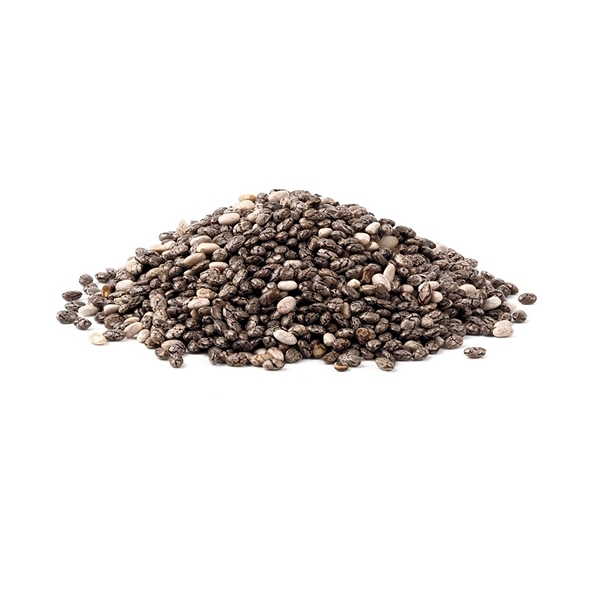
Chia seeds are popular among health-food companies because of their versatility in cereals, smoothies, puddings, bakery recipes, nutrition bars and packaged seed blends. As the trusted Chia seed exporter, we supply cleaned and carefully packed chia seeds for wholesale and industrial requirements. We at PJM understand that international buyers require uniform quality and reliable availability for repeat production.
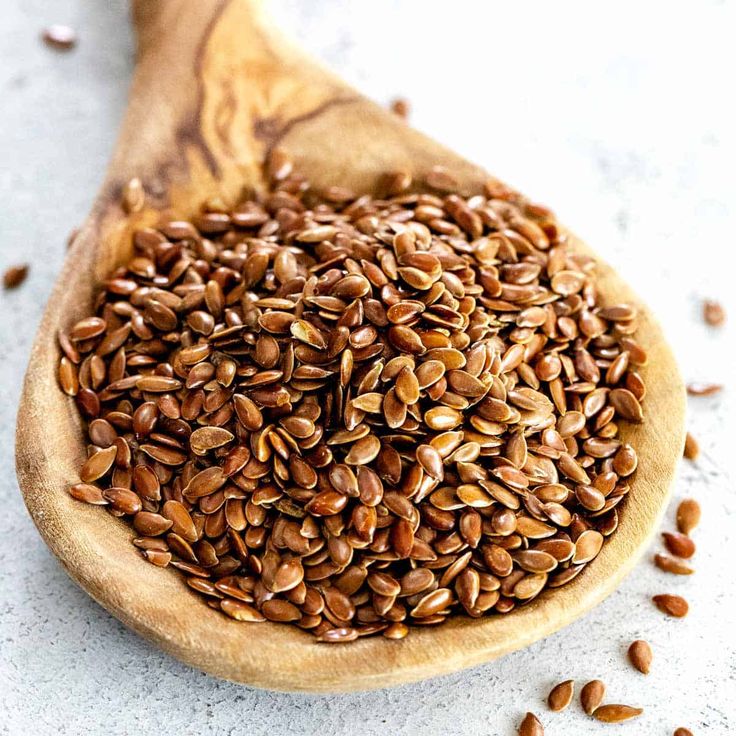
The flexseeds are suitable for multigrain products, bakery mixes, roasted seed blends, breakfast foods, and health-focused formulations. They will be supplied for further processing, grinding, roasting, or direct packing, depending on the requirements of the buyer.
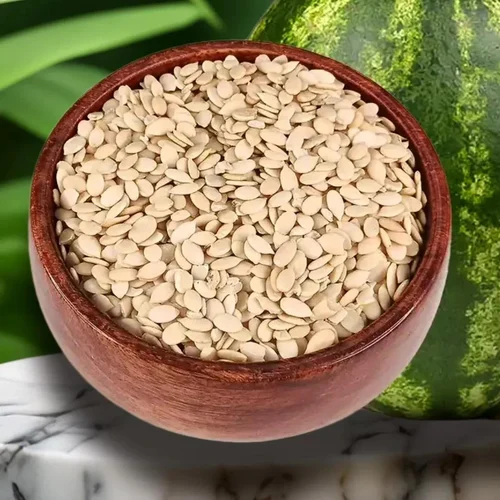
PJM are also serving companies as a dependable watermelon seeds exporter. Watermelon seeds have a mild, nutty taste and are commonly used in snacks, confectionery, bakery products, traditional recipes, and seed mixes. Careful cleaning with secure packaging helps to maintain quality during handling and transportation.
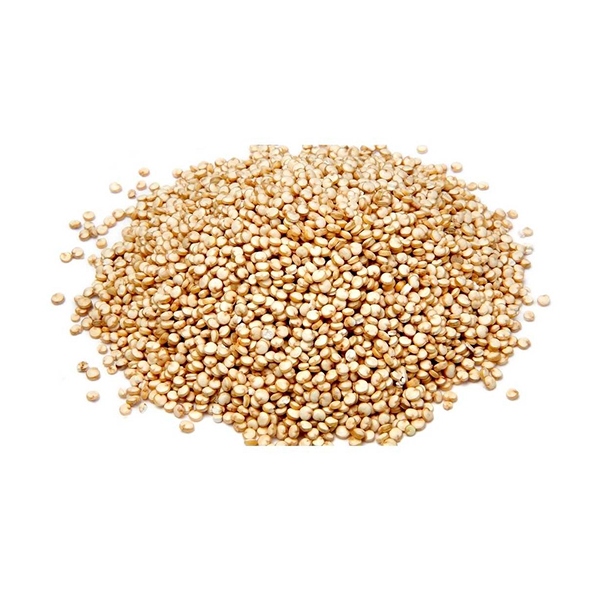
Quinoa is mainly used in ready-to-cook foods, salads, breakfast products, flour blends, and packaged meals. Since we are the quinoa exporter, we help buyers source quinoa in commercial quantities with attention to cleanliness, packaging and order consistency. Importers, processors and private-label businesses will share their required grade, quantity, and packing details to receive a suitable proposal.
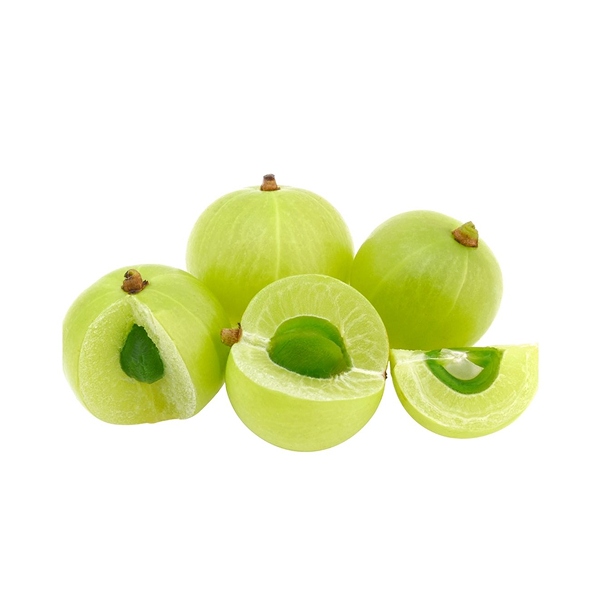
Indian gooseberry is commonly known as amla, which is used in traditional preparations, beverages, powders, wellness products and processed formulations. We offer wholesale Indian gooseberry for businesses that require a bulk supply from India. Buyers interested in organic amla will discuss quality parameters, processing preferences, certification expectations, and packing requirements with our export team.
Since we are experienced amla exporters, we will understand the importance of suitable raw material and proper handling through the supply process. The objective is to help international buyers obtain Amla products which will match their commercial applications.
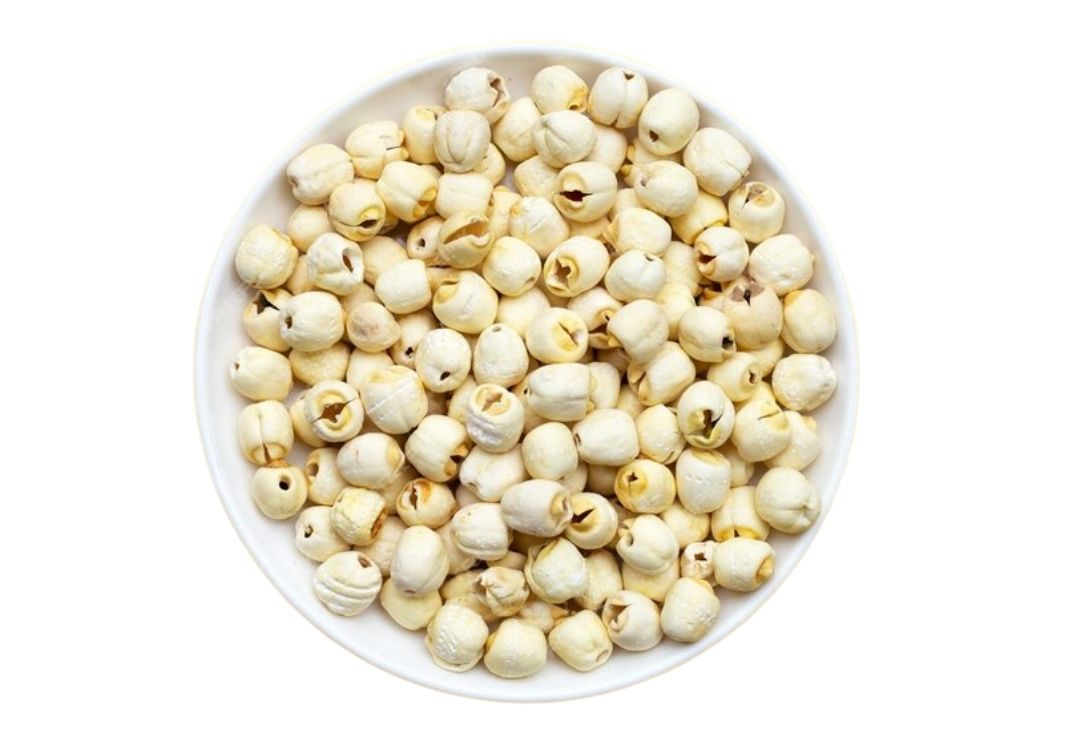
Fox nuts are better known as makhana. It is a light and versatile snack ingredient. It will be roasted, seasoned, flavoured, or included in premium snack mixes. Being a reliable makhana supplier, PJM supports importers, wholesalers, and private-label brands with bulk requirements.
The makhana wholesale price will vary according to grade, size, quality, quantity, packaging, season and delivery destination. Buyers will send their specifications and will require volume to receive an accurate quotation based on the present supply conditions.
We have the product knowledge, export experience, flexible order support, and a customer-focused approach. Our team will help you to evaluate suitable options. Contact PJM to discuss the specifications, samples, packaging,bulk quantities and shipping details.
PJM supplies a premium range of superfoods, including chia seeds, quinoa, gooseberry (amla), and makhana. Our products are available for wholesale, food processing, distribution, and private-label requirements.
Yes. We offer customised bulk packaging solutions based on the product type, order quantity, destination country, and the specific requirements of our buyers.
Yes. Simply share the required product, grade, quantity, packaging size, and destination, and our team will prepare a customised quotation based on your requirements.
Yes. We support private-label and customised orders based on the product type, order volume, packaging design, labelling requirements, and destination market regulations.
Select a question:
Or write your own message: