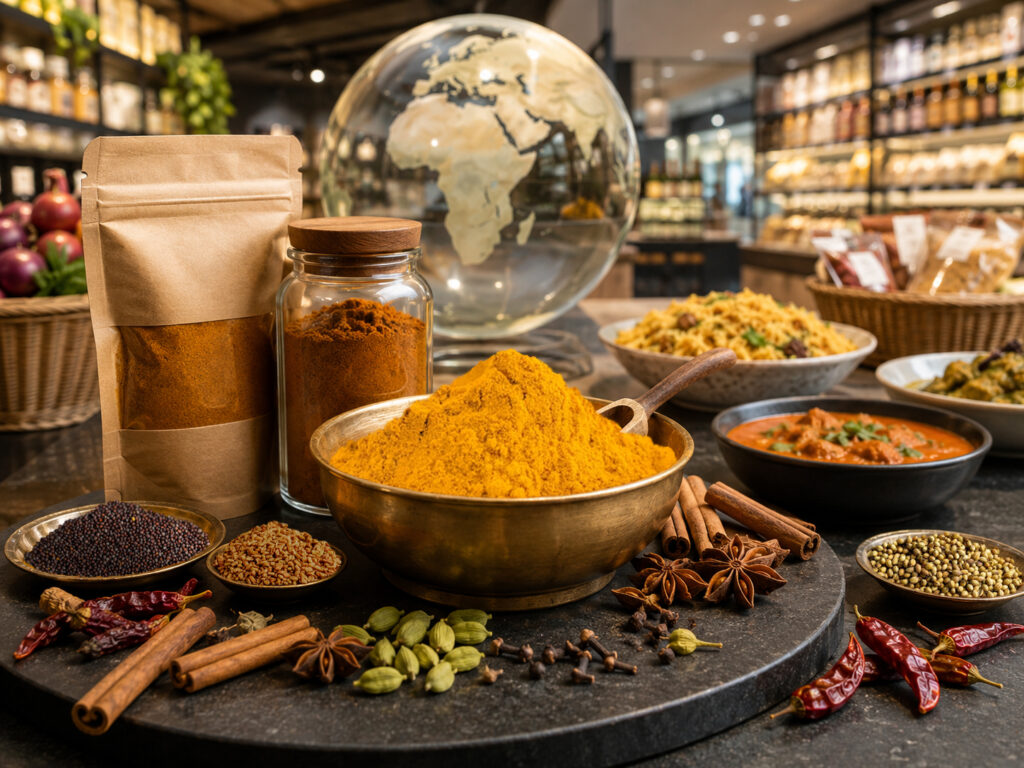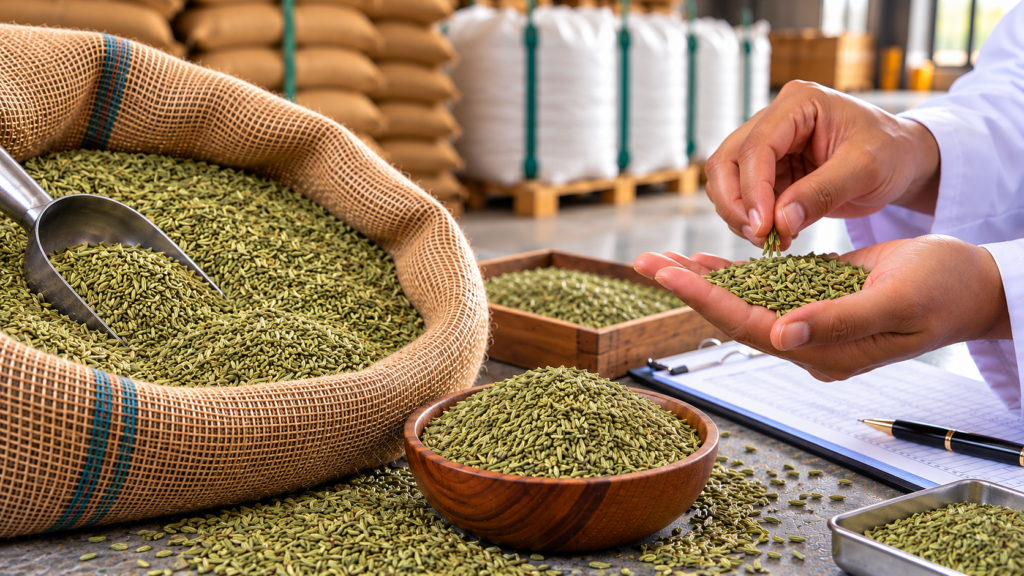


Cumin seeds wholesale are among the widely traded spices in the food and ingredients sector internationally. The seeds are used in blends, seasonings, sauces, snacks, processed foods, meats, beverages, and cuisine. Because food companies, wholesalers, distributors, and spice processors buy cumin seeds in bulk, choosing the right supplier becomes a key part of international procurement.
While purchasing cumin seeds in bulk, a spice supplier may not always be a matter of acquiring the least expensive product; quality consistency, place of origin, cleanliness, moisture levels, packing, documentation, food safety, transport conditions, and supplier credentials all affect the value of a purchase.
One of the major countries producing and exporting cumin in the world is India. Therefore, Indian suppliers become an important source for international buyers. PJM Exports helps buyers in sourcing Indian agricultural and spice products while emphasising quality and consistency.
1. Know the Source and Diversity of Cumin
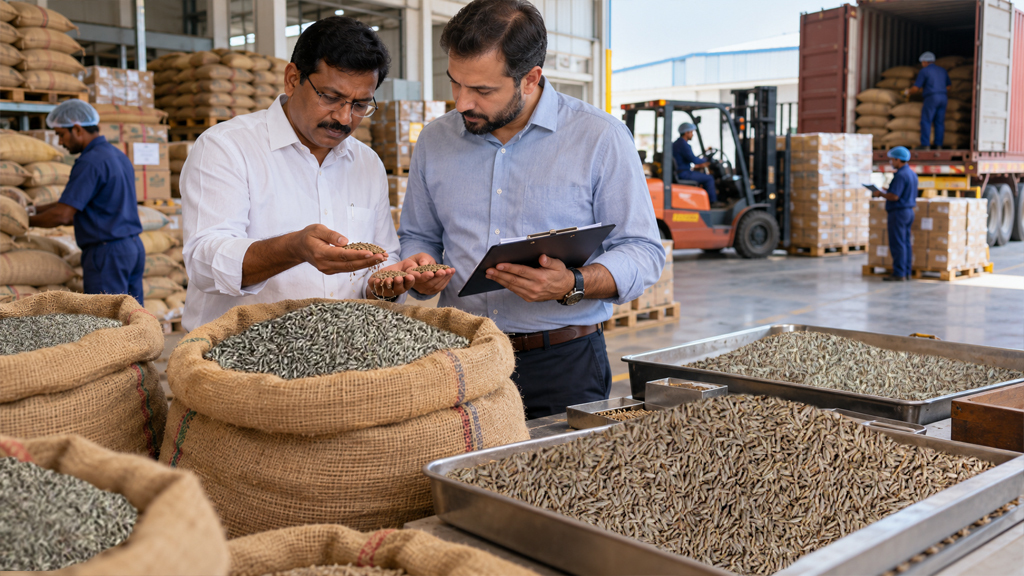
Importers need to know the source of cumin and the kind of cumin offered before making a purchase in bulk. Indian cumin is predominantly grown in states like Gujarat and Rajasthan that have an established reputation for cumin cultivation.
Cumin varies in its appearance, aroma, flavour, oil content, seed size, colour, and purity.
Importers should specify their needs before approaching a bulk cumin seeds supplier. Some of the parameters might include:
- Size of the seeds
- Color requirement
- Aroma and flavour requirement
- Moisture level
- Purity percent
- Limit on foreign matters
- Damaged seeds
- Season of the crop
- Processing requirements
2. Ensure Purity and Physical Quality
Physical quality is one of the key considerations while purchasing bulk cumin seeds. The seeds may be contaminated with stones, stems, dust, soil, or any other impurities that may lead to problems during processing.
A professional exporter should provide you with specifications and, where possible, laboratory test reports of the products.
It will be good to check the following:
- Purity
- Moisture
- Impurities
- Infestation by insects
- Discolouration of seeds
- Damaged seeds
- Admixture
- Microbiological criteria
All specifications should be agreed upon in the purchase agreement.
3. Ask About Food Safety and Testing
Food safety is of great concern when dealing with the international spice trade. The cumin seeds purchased may have to comply with the regulations of food safety of the destination country.
Based on the particular market and application, buyers may wish to conduct tests for microbiological contamination, pesticide residues, heavy metals, aflatoxins, among others.
Therefore, importers should ask their supplier about the tests carried out on the seeds and whether certificates or laboratory reports are available.
A professional exporter of cumin seeds from India should be familiar with the documentation and quality standards for international shipments.
It will also be useful for importers to identify the regulations which are applicable in their destination market before they have finalised the order.
4. Verify Supplier Credentials
Price will not be the only factor which will help to select a supplier. Importers will evaluate the export experience of the supplier, product range, documentation capabilities, production or sourcing network, and ability to handle consistent bulk orders.
Before placing the large order, the buyer will ask for:
- Company registration details
- Export credentials
- Product specifications
- Previous export experience
- Quality certificates
- Laboratory reports
- Product samples
- Packaging details
- Shipping documentation
Working with an experienced company like PJM Export will help importers create clearer communication about product specifications, documentation, and shipment requirements.
5. Always Request a Product Sample
A product sample does help the importers to evaluate cumin before committing to large shipment. The sample will ideally represent the same product specifications which will be supplied in bulk. Buyers will compare the sample for colour, aroma, seed size, cleanliness, flavour, and other relevant characteristics.
For large commercial orders, importers will also consider independent labs for testing of the samples. This is the step which helps to identify quality differences before the buyers commit significant funds to the shipment.
6. Discuss Packaging Requirements
Proper packaging is vital for preserving the cumin seeds during storage and transportation. The packaging format will be selected based on the requirements, shipment duration, warehouse conditions, and local regulations.
Bulk cuminsa is packed in different formats that include food-grade bags and other suitable commercial packaging.
Importers should confirm:
- Net weight per bag
- Packaging material
- Food-grade suitability
- Inner lining requirements
- Labelling
- Batch or lot identification
- Production information
- Storage instructions
Packaging will also protect the seeds from moisture, contamination, pests, and excessive exposure during transportation.
7. Understand Pricing Beyond the Product Cost
The quoted price of cumin seeds exporter from India is only one part of the total cost placed. Importers will understand what is included in the quotation from suppliers.
Depending on the agreed costs, it will include product price, packaging, inland transportation, port charges, freight insurance, customs duties, taxes, and other destination-related expenses. A cumin seeds exporter from India will compare quotations on a like-for-like basis. For example, two suppliers will quote different prices since they are offering different quality specifications, packaging arrangements, or shipment conditions.
Lower initial prices will not be the only means of achieving lower overall procurement costs.
8. Confirm Minimum Order Quantity and Supply Capacity
Bulk cumin seeds buyers will discuss the minimum order suppliers (MOQ) before there is the proceeding is done. They will also determine if the supplier will maintain the required volume over different shipments.
For manufacturers and distributors, consistency is mainly important. A supplier will provide one shipment but will not maintain it for future supply, which will create operational challenges. Importers will discuss:
- MOQ
- Monthly or seasonal availability
- Lead time
- Production or sourcing capacity
- Repeat-order arrangements
- Expected shipment schedule
This is important for business that businesses which depends on regular cumin seeds supplier.
9. Pay Attention to Storage and Shelf Life
Even though cumin seeds are relatively stable when they are stored correctly, improper storage will negatively affect odeon the quality. Exposure to moisture, heat, pests, or unsuitable warehouse conditions will also affect aroma, appearance, and overall usability. Importers will also ask about the recommendations for storage conditions and expected shelf life.
After arrival, the cumin will mainly be stored in a clean, dry, cool, and well-ventilated environment, and protected from contamination.
10. Consider Long-Term Supplier Relationships
For regular importers, creating a long-term relatuionship for the dependable suppliers will simplify the procurements. Once specificsations are quality standards, packaging, pricing structures and documentations are clearly established with the repeated orders will become more effective. PJM Export will work with buyers who are looking for Indian cumin seeds for international sourcing requirements, with attention to product specifications and export coordination.
Conclusion
Buying cumin seeds in bulk does require more than comparing the price from the suppliers. Importers will evaluate quality, purity, food safety, origin, testing, packaging, documentation, pricing, shipping terms, and supply capacity before large orders are placed.
India remains an important sourcing destination for cumin, but buyers will carefully evaluate suppliers and clearly communicate the specifications. By requesting samples, checking documentation, confirming quality parameters, and understanding total landed costs, importers will make their procurement process more structured and reduce avoidable supply-chain risks.
For businesses that are looking for an experienced bulk cumin seed supplier and dependable cumin seed exporters from India, PJM Exports will be considered as the sourcing partner for Indian cumin and other agricultural products.
FAQs
1. What should importers check before buying cumin seeds in bulk?
Start with the basics: make sure the cumin seeds are pure, with no extra moisture or foreign matter mixed in. Pay attention to seed quality, aroma, and colour. Food safety is non-negotiable, so ask about those standards too. Double-check the packaging, all paperwork, pricing, and whether the supplier is legit—these all matter before you order a large batch.
2. Why is India an important source of cumin seeds?
India grows and exports more cumin than anywhere else. You’ll find Indian cumin in everything from spice blends and seasonings to regional dishes both at home and abroad. It’s a key player in the global spice market.
3. Should importers request cumin seed samples before bulk purchasing?
Absolutely. Testing a sample is the best way to know what you’re getting—how the seeds look, smell, and taste, and whether they meet your standards. It’s smart to check those details now rather than face surprises with a big order.
4. How can I choose a reliable bulk cumin seeds supplier?
Focus on suppliers who have a track record with exports, who always deliver quality, and who use proper testing and provide all the right documents. They should be upfront about pricing and terms, offer good packaging, and handle the volume you need. For example, if you’re considering a supplier like PJM Export, see if they tick all these boxes.